PainRelief.com Interview with: Rowena Field B.App.Sc (phty) M.Physio. APAM Physiotherapist/Director PhD research candidate Sydney University STEPP (solutions tools and education for persistent pain)
PainRelief.com: What is the background for this study?
Response: Chronic pain is a difficult problem to treat because it is multifactorial, driven by the brain continuing to arrive at the conclusion that protection is required. Turning up the sensitivity in the nervous system results in ongoing pain as a protector even though there is no new tissue damage. Other protection mechanisms such as increased inflammation, and increased sympathetic ‘fight or flight’ also occur.
Chronic pain becomes part of a whole system protective response, so looking at other treatment options that alter the system (such as diet) are useful additions to pain management. A ketogenic diet restricts carbohydrate to below 50g/day producing ketones for energy from fat. It has been used to treat epilepsy over the last two centuries and successfully reduces nervous system excitability. Many of the drugs used for chronic pain (such as Lyrica) are also anti-epileptic medications, suggesting common pathways. As well as these impacts on the nervous system, pre-clinical research has also shown ketones to be signalling molecules that reduce inflammation.
Combined with the clinical reports that pain reduction occurred when people were on ketogenic diets, it seemed reasonable to test the diet specifically in a chronic pain population.
Zhishun Liu, MD, PhD Guang’anmen Hospital China Academy of Chinese Medical Sciences Beijing, China
PainRelief.com: What is the background for this study? What are the main findings?
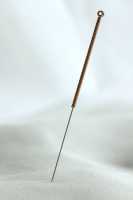
Response: Pharmacologic therapy has so far failed to reveal universal benefits in patients with chronic prostatitis/chronic pelvic pain syndrome (CP/CPPS); the evidence for acupuncture is limited, although it is also recommended in current guidelines.
PainRelief.com Interview with: Ben Alter, MD, PhD Assistant Professor Director, Translational Pain Research Division of Pain Medicine Department of Anesthesiology and Perioperative Medicine University of Pittsburgh Medical Center
Dr. Ben Alter
PainRelief.com: What is the background for this study? What are the main findings?
Response: In the clinical environment, I am often asking patients where their pain is. There is a large amount of research establishing that widespread or “all-over” pain is difficult to manage and impacts nearly every aspect of a patient’s life. In fact, a tally of body areas is involved with the diagnosis of fibromyalgia, although this is not the only diagnostic criteria. What wasn’t clear to us was whether patterns of pain across the body also impacted important facets of the pain experience.
PainRelief.com Interview with: Andrew D. Hershey, MD, PhD, FAAN, FAHS Endowed Chair and Director of Neurology Professor of Pediatrics and Neurology Director, Headache Center Cincinnati Children’s Hospital Medical Center Cincinnati, OH 45229 University of Cincinnati, College of Medicine
PainRelief.com: What is the background for this study?
Response: Migraine is a common and debilitating disease, affecting 1 in 10 children and adolescents worldwide. Refractory migraine in adolescents may be associated with poorer academic performance, reduced school attendance, and a negative effect on social interactions. Current acute treatments for adolescents with migraine are mostly pharmacological. These treatments may cause side effects, and their frequent use may potentially lead to medication overuse headache. Additionally, their efficacy may be variable or inadequate. Thus, there is a great unmet need for new safe and effective acute treatments for adolescents with migraine headaches.
Remote Electrical Neuromodulation (REN) is a non-pharmacological, non-invasive neuromodulatory treatment that has been approved by the US FDA for acute treatment of the headache attacks of migraine in patients 12 years of age or older. The REN device (Nerivio®) is a small stimulator controlled by the user via a smartphone application and activates one of the body’s own pain suppression system by inducing weak electrical currents. These currents stimulate nerve fibers in the upper arm to activate an endogenous descending pain inhibition mechanism termed Conditioned Pain Modulation (CPM). Clinical trials of REN have shown efficacy and safety of the treatment in adolescents 12 and older, as well as in adults.
The current study is the first to compare REN and standard-care treatments (over the counter medications and triptans) in adolescents.
Joseph Albert Karam, MD Assistant Professor of Clinical Orthopaedic Surgery Associate Program Director, Orthopaedic Surgery Residency The University of Illinois at Chicago
Dr. Karam
PainRelief.com: What is the background for this study?Would you describe the multimodal pain plan?
Response: Pain after joint replacement surgery has been historically managed by protocols centered on opioid medication. Given the side effects associated with these medications, the risk for long term addiction and evidence showing that opioids are not necessarily the best at treating pain perioperatively in joint replacement, multimodal pain management protocols have been established. These protocols utilize different families of medications that target pain at different steps in the pain pathway.
The exact protocol varies from one institution to the other but typically include systemic agents such as acetaminophen, non-steroidal anti-inflammatories/COX-2 inhibitors, gabapentinoids, corticosteroids, as well as loco-regional interventions such as local infiltration analgesia and regional nerve blocks. ‘Pre-emptive analgesia’ which most commonly uses a nonsteroidal anti-inflammatory, acetaminophen and/or a gabapentinoid has also been demonstrated to play a key role. Additional measures such as NMDA antagonists and epidural catheters can also be used in select cases. Non-pharmacological treatments such as cryotherapy, cryoneurolysis and electrical nerve stimulation have also been described. Our preferred institutional protocol is detailed in the paper.
PainRelief.com Interview with: Richard L. Nahin, Ph.D., M.P.H Lead Epidemiologist National Center for Complementary and Integrative Health (NCCIH) National Institutes of Health Bethesda, Maryland
Dr. Nahin
PainRelief.com: What is the background for this study?
Response: Individuals of Hispanic ancestry living in the U.S. include numerous subpopulations that vary in the prevalence of chronic disabling conditions, as well as exhibit differences in socioeconomic status, health behaviors, global health status, health care utilization, and genetic profiles.
Despite this evidence, there are few nationally representative studies examining the epidemiology of pain in these Hispanic subpopulations, and none that compared global measures of pain chronicity, severity, nor examined the influence of race on potential associations with pain in Hispanics.
Madeline H. Renny, MD Postdoctoral Fellow, Department of Population Health Clinical Instructor, Department of Emergency Medicine and Pediatrics New York University Grossman School of Medicine New York, New York
Dr. Renny
PainRelief.com: What is the background for this study?
Response: Prescription opioids are involved in over half of opioid overdoses among youth. Additionally, prescription opioid use is associated with risks of future misuse, adverse events, and unintentional exposures by young children. While there are several studies on opioid prescribing in adults, few studies have focused on the pediatric and adolescent population. In the last year, postoperative guidelines for opioid prescribing for children and adolescents were released, but there remain no national guidelines on general opioid prescribing for youth.
To our knowledge, no prior national studies have examined trends in important opioid prescribing practices, including amount prescribed, duration, high-dosage, and extended-release/long-acting (ER/LA) opioid prescriptions, in this subset of the population; a necessary step in understanding the opioid epidemic and in developing targeted interventions for youth.
Therefore, we performed a cross-sectional analysis of U.S. opioid prescription data to investigate temporal trends in several key opioid prescribing practices in children, adolescents, and younger adults in the U.S. from 2006-2018.
PainRelief.com: What are the main findings?
Response: We found that opioid dispensing rates declined significantly for children, adolescents, and younger adults since 2013. When examining trends in opioid prescribing practices, there were differences based on age group. For adolescents and young adults, rates of long-duration and high-dosage opioid prescriptions decreased during the study period, whereas there were increases in these rates for younger children.
PainRelief.com: What should readers take away from your report?
Response: Dispensed opioid prescriptions for youth have significantly decreased in recent years. These findings are consistent with prior studies in children and adults, suggesting that opioid prescribing practices may be improving. Additionally, the decrease in rates of high-dosage and long-duration prescriptions in adolescents and young adults is encouraging in the context of research showing associations with these prescribing practices and opioid use disorder and overdose. However, opioids remain commonly dispensed to youth and potential high-risk prescribing practices (long-duration, high-dosage, and ER/LA prescriptions) appear to be common, especially in younger children.
PainRelief.com: What recommendations do you have for future research as a result of this work?
Response: The increase in rates of potential high-risk prescribing practices in young children was an unexpected finding and warrants future study. Due to the limitations of our database (no clinical information, including diagnoses or indications for prescription), we were unable to determine the appropriateness of opioid prescribing practices (e.g., whether a prescription was for a child with cancer or for a child with an acute injury). Our two sensitivity analyses were performed to try to identify a subset of patients with chronic illness and both showed no differences in trends. However, it will be important to further investigate these opioid prescribing practices using a database with clinical information to better understand these findings in young children.
Further research investigating specific opioid prescribing practices may inform targeted interventions, including pediatric and adolescent-specific opioid prescribing guidelines, to ensure appropriate opioid prescribing in this population.
No disclosures
Citation:
Renny MH, Yin HS, Jent V, Hadland SE, Cerdá M. Temporal Trends in Opioid Prescribing Practices in Children, Adolescents, and Younger Adults in the US From 2006 to 2018. JAMA Pediatr. Published online June 28, 2021. doi:10.1001/jamapediatrics.2021.1832
The information on PainRelief.com is provided for educational purposes only, and is in no way intended to diagnose, cure, or treat any medical or other condition. Always seek the advice of your physician or other qualified health and ask your doctor any questions you may have regarding a medical condition. In addition to all other limitations and disclaimers in this agreement, service provider and its third party providers disclaim any liability or loss in connection with the content provided on this website.
PainRelief.com Interview with: Jing Wang MD PhD Department of Anesthesiology, Perioperative Care and Pain Department of Neuroscience & Physiology NYU Langone Neuroscience Institute, New York University School of Medicine New York, NY
PainRelief.com: What is the background for this study? What are the main findings?
Response: The motivation for this study is three fold.
First, there are no objective ways to measure pain in preclinical models that could facilitate study of pain mechanisms and analgesic screening.
Secondly, while pain is assessed by patient report, a lack of alternative pain measures in humans hinders clinical treatment of pain in patients whom we cannot assess pain readily, such as patients who suffer from dementia or very young children.
Thirdly, chronic pain patients often complain of spontaneously occurring pain episodes which are unpredictable, and we currently do have a way to target specific pain episodes, and so we treat pain with scheduled drugs, leading to under- or over-treatment. We designed a prototype closed-loop neural interface, employing computerized brain implants, to address these challenges. We found that this interface quite effectively relieves short-term and chronic pain in rodents. In this study, we designed a computerized brain implant to detect and relieve bursts of pain in real time. We implanted electrodes in a region of the brain called anterior cingulate cortex, an important area for the processing the emotional component of pain. We used these implanted electrodes to measure neural activity in this brain region, and then applied machine learning algorithm to detect a change in neural activity in this region which signals the onset of pain experience. The detected pain signal then triggered stimulation of another brain region, called prefrontal cortex, which is known to suppress pain. In this way, our device automatically detected and treated pain with minimal delay, as shown by a number of pain behavior assays in rats. The device is also the first of its kind to target chronic pain, which often occurs without being prompted by a known trigger.
PainRelief.com: What should readers take away from your report?
Response: Our experiments offer a blueprint for the development of brain implants to treat pain syndromes and other brain-based disorders, such as anxiety, depression, and panic attacks. The advantage of our approach is that it targets symptoms in a time-sensitive manner. Our approach can detect pain as it occurs in real time. In its current form, it already becomes a powerful tool to screen drugs. In our current system, pain detection is coupled with neurostimulation treatment. But it can also be coupled with drug delivery. In this way, our system can be used to screen new analgesic drugs. It can also be used to screen other neurostimulation techniques.
PainRelief.com: What recommendations do you have for future research as a result of this work?
Response: We are already working on modifications of our system to move it closer to translation to the bedside.
First, we would like to improve pain decoding accuracy. We are doing that be recording from multiple brain regions.
Second, the current treatment requires injection of viral vectors and foreign proteins, which are not realistic in human use, and thus we are working to use more clinically feasible approaches to treat pain in our closed-loop device.
Finally, we are working on making the device non-invasive – free of brain implants.
Citation:
Zhang, Q., Hu, S., Talay, R. et al. A prototype closed-loop brain–machine interface for the study and treatment of pain. Nat Biomed Eng (2021). https://doi.org/10.1038/s41551-021-00736-7
The information on PainRelief.com is provided for educational purposes only, and is in no way intended to diagnose, cure, or treat any medical or other condition. Always seek the advice of your physician or other qualified health and ask your doctor any questions you may have regarding a medical condition. In addition to all other limitations and disclaimers in this agreement, service provider and its third party providers disclaim any liability or loss in connection with the content provided on this website.
PainRelief.com Interview with: Christopher M Proctor, PhD Group Leader, Bionic Systems Group BBSRC David Phillips Fellow Electrical Engineering Division University of Cambridge United Kingdom
Dr. Proctor
PainRelief.com: What is the background for this study? What types of pain might be amenable to treatment with this device?
Response: Spinal cord stimulation has been shown to be effective for patients with severe neuropathic pain. However, the most effective devices that are clinically available today require a rather invasive surgical procedure. Our innovation aims to reduce the surgical burden while providing the best possible treatment.
PainRelief.com: Would you describe the technology?
Spinal Implant – Unrolling
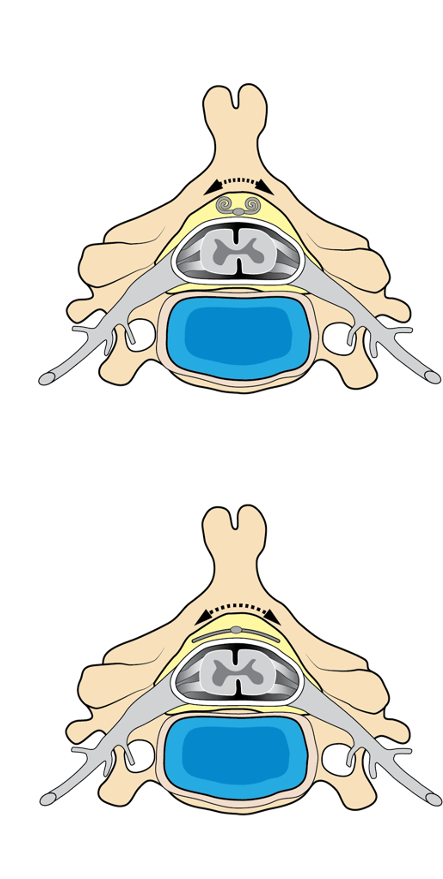
Response: Our minimally invasive spinal cord stimulator is an ultra thin implant that can be inserted into the epidural space within the spinal column through a needle. Once in place, the device can be expanded in a controlled way to cover a large area along the spinal cord. Covering a large area allows for more precise targeting of the nerves that cause you to feel pain.
PainRelief.com: What recommendations do you have for future research as a result of this work?
Response: We believe that this technology could vastly expand the use of spinal cord stimulation for patients with chronic pain conditions. We are currently fundraising to conduct further pre-clinical testing with an aim to be ready for clinical testing within 3 years.
Any disclosures? The main authors of this study are co-inventors on a related patent application.
BY BEN J. WOODINGTON, VINCENZO F. CURTO, YI-LIN YU, HÉCTOR MARTÍNEZ-DOMÍNGUEZ, LAWRENCE COLES, GEORGE G. MALLIARAS, CHRISTOPHER M. PROCTOR, DAMIANO G. BARONE
SCIENCE ADVANCES 25 JUN 2021 : EABG7833
The information on PainRelief.com is provided for educational purposes only, and is in no way intended to diagnose, cure, or treat any medical or other condition. Always seek the advice of your physician or other qualified health and ask your doctor any questions you may have regarding a medical condition. In addition to all other limitations and disclaimers in this agreement, service provider and its third party providers disclaim any liability or loss in connection with the content provided on this website.
PainRelief.com Interview with: Dr. Siddharth A. Padia, MD Interventional Radiology Ronald Reagan UCLA Medical Center UCLA Santa Monica Medical Center
Dr. Padia, MD
PainRelief.com: What is the background for this study?
Response: Osteoarthritis (OA) of the knee can be a debilitating condition with significant impact on a person’s overall quality of life. OA has historically been considered a “wear-and-tear” disease, resulting from years of stress induced cartilage degeneration. Recent data suggests that inflammation plays a role not only in the experience of pain secondary to osteoarthritis, but is a driver of OA itself.
Genicular artery embolization (GAE) is a minimally invasive procedure where the arteries supplying the lining of the knee are selectively catheterized during an angiogram to target abnormally increased blood flow associated with knee osteoarthritis. Injection of small, microspheres results in a reduction in arterial flow, which may in turn reduce the synovial inflammation.
PainRelief.com: What are the main findings?
Response: 40 subjects were enrolled in this trial. Technical success was achieved in 100% of subjects. Transient skin discoloration and transient mild post-procedure knee pain were common and expected. Pain scores decreased from a 8 (out of 10) at baseline to 3/10 (63% decrease) at 12 months. Twenty-seven patients (67.5%) had greater than a 50% reduction in pain scores.
PainRelief.com: What should readers take away from your report?
Response: Genicular artery embolization is a highly promising therapy for people with knee arthritis, who are not surgical candidates or which to defer surgery. It is the first non-surgical treatment that has shown to have a significant reduction in pain with a duration of at least one year. It is minimally invasive, and most people can resume their everyday activities the evening after their procedure.
PainRelief.com: What recommendations do you have for future research as a result of this work?
Response: This was a single arm trial, in that genicular artery embolization was not compared to other treatments. Future research needs to show a comparison to other treatments or placebo in order to prove its efficacy. Additionally, long-term result (2 and 4 years) would be beneficial to show the durability of GAE over time.
Citation:
Abstract No. 16 Genicular artery embolization for the treatment of knee osteoarthritis: final results from a prospective investigational device exemption trial Padia, S. et al. Journal of Vascular and Interventional Radiology, Volume 32, Issue 5, S8
The information on PainRelief.com is provided for educational purposes only, and is in no way intended to diagnose, cure, or treat any medical or other condition. Always seek the advice of your physician or other qualified health and ask your doctor any questions you may have regarding a medical condition. In addition to all other limitations and disclaimers in this agreement, service provider and its third party providers disclaim any liability or loss in connection with the content provided on this website.
The information on PainRelief.com is provided for educational purposes only, and is in no way intended to diagnose, endorese, cure, or treat any medical or other condition. Always seek the advice of your physician or other qualified health and ask your doctor any questions you may have regarding a medical condition. In addition to all other limitations and disclaimers in this agreement, service provider and its third party providers disclaim any liability or loss in connection with the content provided on this website. None of the content on PainRelief.com is warranted by the editors or owners of PainRelief.com or Eminent Domains Inc.
Thank you for visiting PainRelief.com
Senior Editor, Marie Benz MD.
For more information, or for advertising options please email: info@MedicalResearch.com or mariebenz@yahoo.com